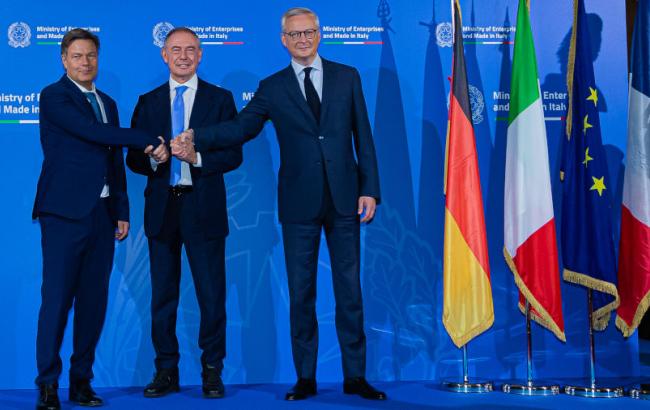
The EU June summit will focus on the European Commission’s competitiveness agenda which is core component of the plans for a "Genuine Monetary and Economic Union". This competitiveness agenda is geared towards increasing pressure on member states to intensify the competitiveness of their economies.
The register secretariat has now informed CEO that the changes introduced by EPA "meet the requirements" and that they have therefore decided to close the case.
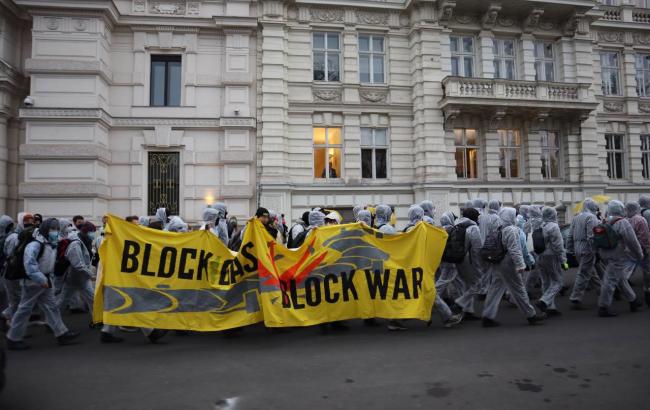
For the second year running, citizens from around Europe swarmed the German city of Frankfurt, headquarters of the European Central Bank (ECB). Their aim: to 'Blockupy' the ECB on its 15th anniversary. A great success in itself, it's also part of a growing movement across Europe against the austerity measures being undemocratically introduced by the ECB, European Commission and the IMF, collectively known as the Troika.
Older entries
Pesticides against pollinators
Troika ‘with benefits’
Particularly significant is the proposal on structural reforms, first put forward last year by President of the European Council Herman Van Rompuy. Fundamentally the Commission would require eurozone member states to sign bilateral contracts – a so-called “Convergence and Competitiveness Instrument” – on a number of structural reforms. In exchange for compliance the member state would be rewarded with financial incentives.
Pressure grows for Dalligate truth: CEO complaints on Swedish Match and OLAF
Even the Police can’t stop the first signs of a European Spring
The battle to keep water out of the internal market - a test case for democracy in Europe
The concessions directive, which has the stated object of opening markets and eliminating “discrepancies among national regimes”, would end the exemption that has so far existed for drinking water supply and for the first time bring it under the rules of the EU’s single market. Previous attempts to bring water under single market rules failed due to resistance from civil society and MEPs opposed to water becoming a commodity, but this time the European Parliament has been less vigilant.
Pages
Corporate Europe Observatory
Corporate Europe Observatory (CEO) is a research and campaign group working to expose and challenge the privileged access and influence enjoyed by corporations and their lobby groups in EU policy making.

All content on this website is licensed under a Creative Commons Attribution-NonCommercial-ShareAlike 3.0 Unported License.