Corporate Europe Observatory

Exposing the power of corporate lobbying in the EU
A far-reaching trade deal between the US and EU is to be negotiated, yet the European Commission has drawn a smokescreen over who is setting the agenda for its negotiating position. Amid concerns about the deal's social and environmental impacts, as well as what it will mean for democratic policy-making, Corporate Europe Observatory tried to find out what will be on the treaty table.


The EU June summit will focus on the European Commission’s competitiveness agenda which is core component of the plans for a "Genuine Monetary and Economic Union". This competitiveness agenda is geared towards increasing pressure on member states to intensify the competitiveness of their economies.

The register secretariat has now informed CEO that the changes introduced by EPA "meet the requirements" and that they have therefore decided to close the case. But while the EPA's updated register entry now discloses its corporate backers, it remains silent about its links with lobby consultancy firms Competere and DCI Group.

Key Swedish Match lobbyist in the Dalligate tobacco lobby scandal worked in the European Commission for five years. But unbelievably, when he left to become a tobacco lobbyist he was not screened for potential conflicts of interest, a clear breach of the revolving door rules in the Staff Regulations. Once again, the shoddy implementation of ethics rules by the Commission has been exposed in the wake of a big lobbying scandal. Read the whole case on CEO's RevolvingDoorWatch.

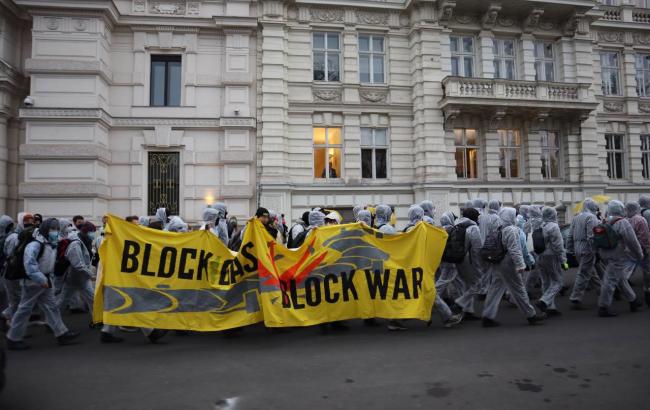
For the second year running, citizens from around Europe swarmed the German city of Frankfurt, headquarters of the European Central Bank (ECB). Their aim: to 'Blockupy' the ECB on its 15th anniversary. A great success in itself, it's also part of a growing movement across Europe against the austerity measures being undemocratically introduced by the ECB, European Commission and the IMF, collectively known as the Troika.

Older entries

The dangers of the Two-pack

The Commission is lashing out towards member states, such as Belgium, that haven't followed the desired course sufficiently. With the "two-pack" it will be easier to force them. They usher in stronger EU control of national budgets, a new type of adjustment programmes, and a consolidation of the Troika approach to indebted member states.

BusinessEurope and the European Commission: in league against labor rights?

When European head of states meet on March 14 and 15 in Brussels for the European spring summit they will asses the 'progress' of reforms in EU member states and how they match with the “Country Specific Recommendations” the Commission gave to the member states. In this supplement we examine how the European Commission and BusinessEurope are working hand in hand to push for neoliberal structural reforms – with a particular focus on labor rights – within the so called European Semester (see below).

BusinessEurope and Economic Governance

Since the outbreak of the crisis, major reforms of the EU's economic governance have been introduced. These reforms are designed to lock in fiscal policy at a national level and enforce austerity at the European level.

Video on remunicipalisation: putting water back into public hands

A motion design documentary shows examples of cities reversing water privatization to regain public control. This video explores water 'remunicipalisation' in Buenos Aires and Paris, looking at the challenges and benefits of reclaiming public water. It calls on citizens worldwide to mobilize around this option. Remunicipalisation Works!

Ombudsman launches investigation into European Commission’s Dalligate secrecy

The EU Ombudsman has launched an investigation into the European Commission's secrecy around 'Dalligate', the tobacco lobbying scandal that led to the forced resignation of health Commissioner John Dalli.

Pages

The Brussels Business: Who runs the EU?

Corporate Europe Observatory

Corporate Europe Observatory (CEO) is a research and campaign group working to expose and challenge the privileged access and influence enjoyed by corporations and their lobby groups in EU policy making.

Read more

Creative Commons License
All content on this website is licensed under a Creative Commons Attribution-NonCommercial-ShareAlike 3.0 Unported License.
Subscribe to Front page feed
Corporate Europe Forum