
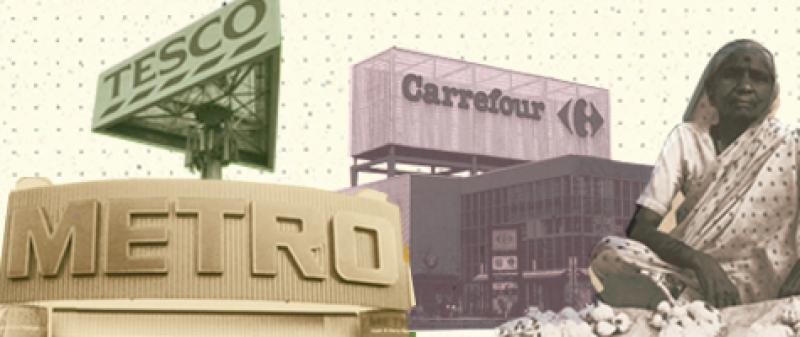
EU-India Trade Invaders - How big business is driving the EU-India free trade negotiations
Since 2007, India and the EU have been negotiating a far-ranging free trade agreement (FTA). It covers the liberalisation of trade in goods, the deregulation of services, investment and government procurement, the strict enforcement of intellectual property rights and many other points. Various thorny issues remain to be resolved. But both parties want to conclude the negotiations in early 2011.
Despite this envisioned speedy showdown, the public in both India and the EU know very little about the potential consequences of the free trade pact. Negotiations have been shrouded in secrecy, with no text or position as yet disclosed to the public, not even on request.
The little information that has been leaked, though, has given rise to serious concerns among trade unions, farmers‘ and women‘s movements, anti-poverty campaigners, public health and human rights organisations on both sides of the talks. They fear that the EU-India FTA will fuel poverty, inequality and environmental destruction and have repeatedly called for an immediate halt to the negotiations – until all information has been published and genuine public debates have taken place.
'Trade Invaders' examines industry‘s demands and corporate lobbying strategies on both sides of the talks. Powerful corporate sectors, including banking, retail and manufacturing, are demanding access to the Indian market – exposing rural farmers, small traders and businesses to crushing competition. Big Pharma‘s proposals to strengthen intellectual property rights could endanger the availability of affordable generic medicines for the treatment of AIDS, cancer and malaria, not just in India but across the developing world. In Europe, corporate India‘s market access agenda is likely to lead to job losses in the automobile and textiles sector, increased pressure on health, quality and labour standards.
The report also highlights how business interests have been granted privileged access to policy makers on both sides of the negotiations, allowing them to effectively set the FTA agenda. The issues raised by public interest groups, in contrast, have been largely ignored.
This article continues after the banner